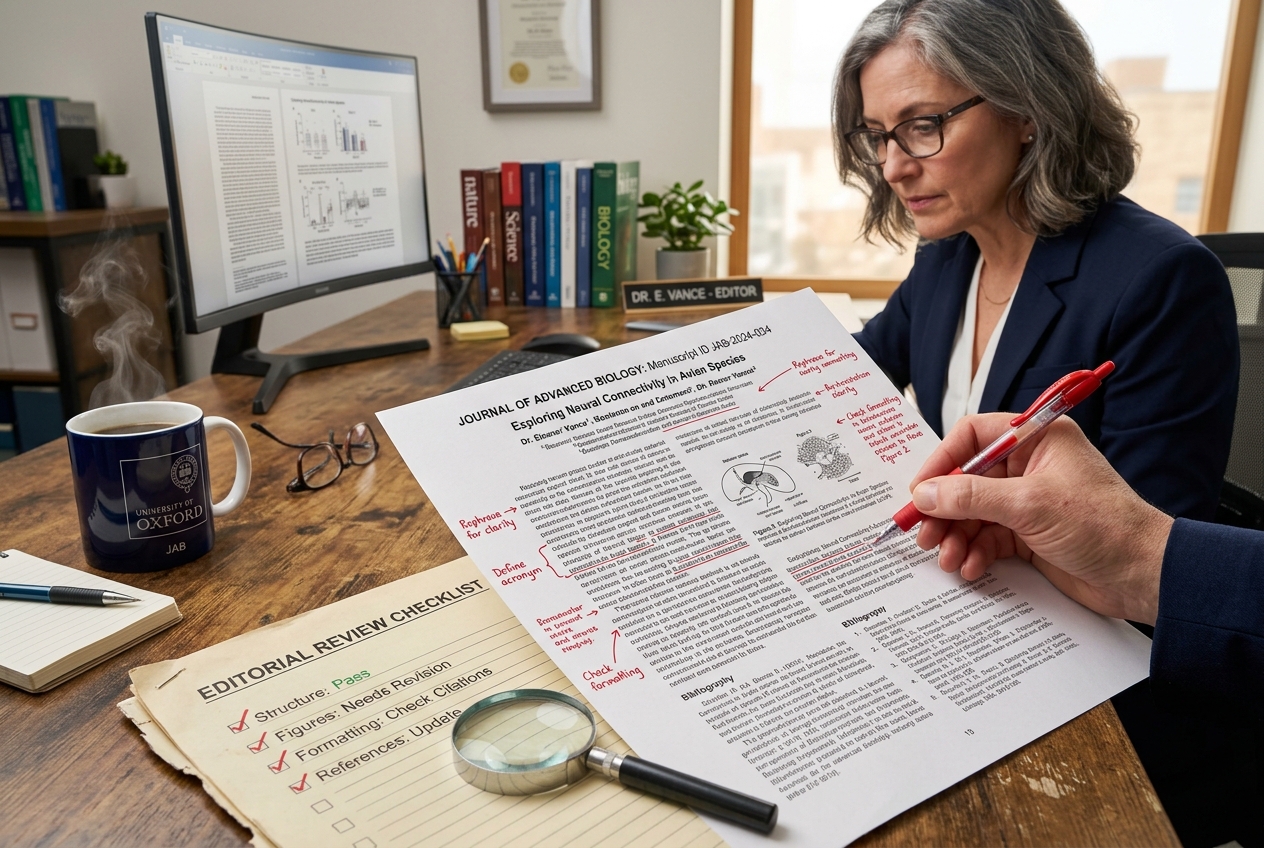
A desk rejection occurs when an editor decides not to send your paper out for external peer review. Understanding the common triggers for desk rejection enables authors to refine their submission packages and maximize their chances of review.
Common Reasons Editors Desk-Reject Manuscripts
- Mismatch with Journal Scope: The topic is outside the publication's primary areas of interest.
- Weak Abstract or Narrative Hook: The abstract fails to articulate why the study is novel or significant.
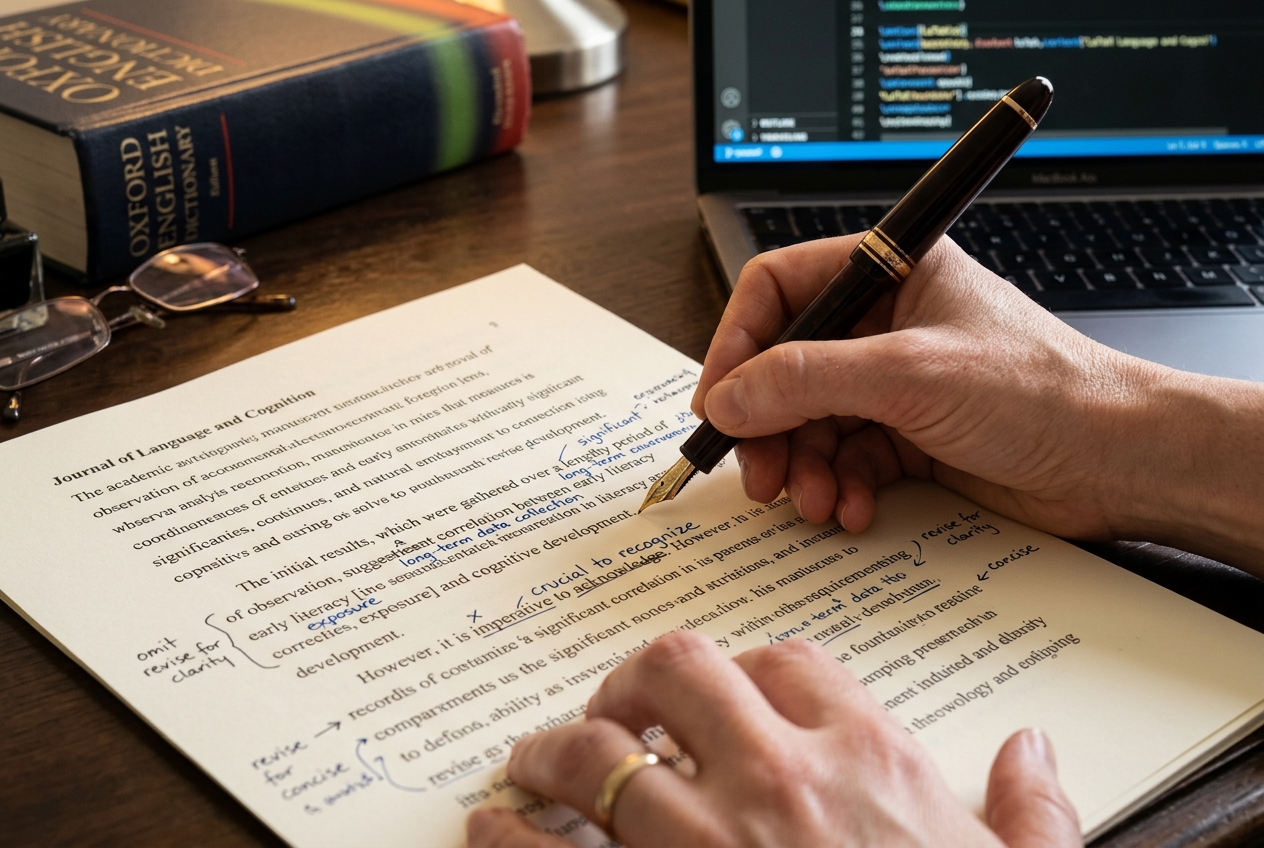
- Substandard Language & Grammar: Frequent typographical, syntactical, or grammatical errors obscure scientific rigor.
- Non-Compliance with Author Guidelines: Overlooking word limits, reference styles, or structural guidelines.
- Inadequate Cover Letter: Submitting a generic cover letter that does not explain why the journal's audience will benefit from the paper.
"An editor reviews dozens of submissions weekly. A clear, crisp manuscript with flawless formatting immediately stands out and commands serious consideration."